

Anzeigen-Website für den Verkauf von historischen, klassischen und Sammlerfahrzeugen
Oldtimer zum Verkauf
Historische Autos zum Verkauf
Sammlerautos zum Verkauf
Oldtimer-Motorräder zum Verkauf
NEED HELP?
help@mithosmarket.com
Montag - Freitag: 09:00 - 17:30



Museo Moto Laverda
Breganze (VI)
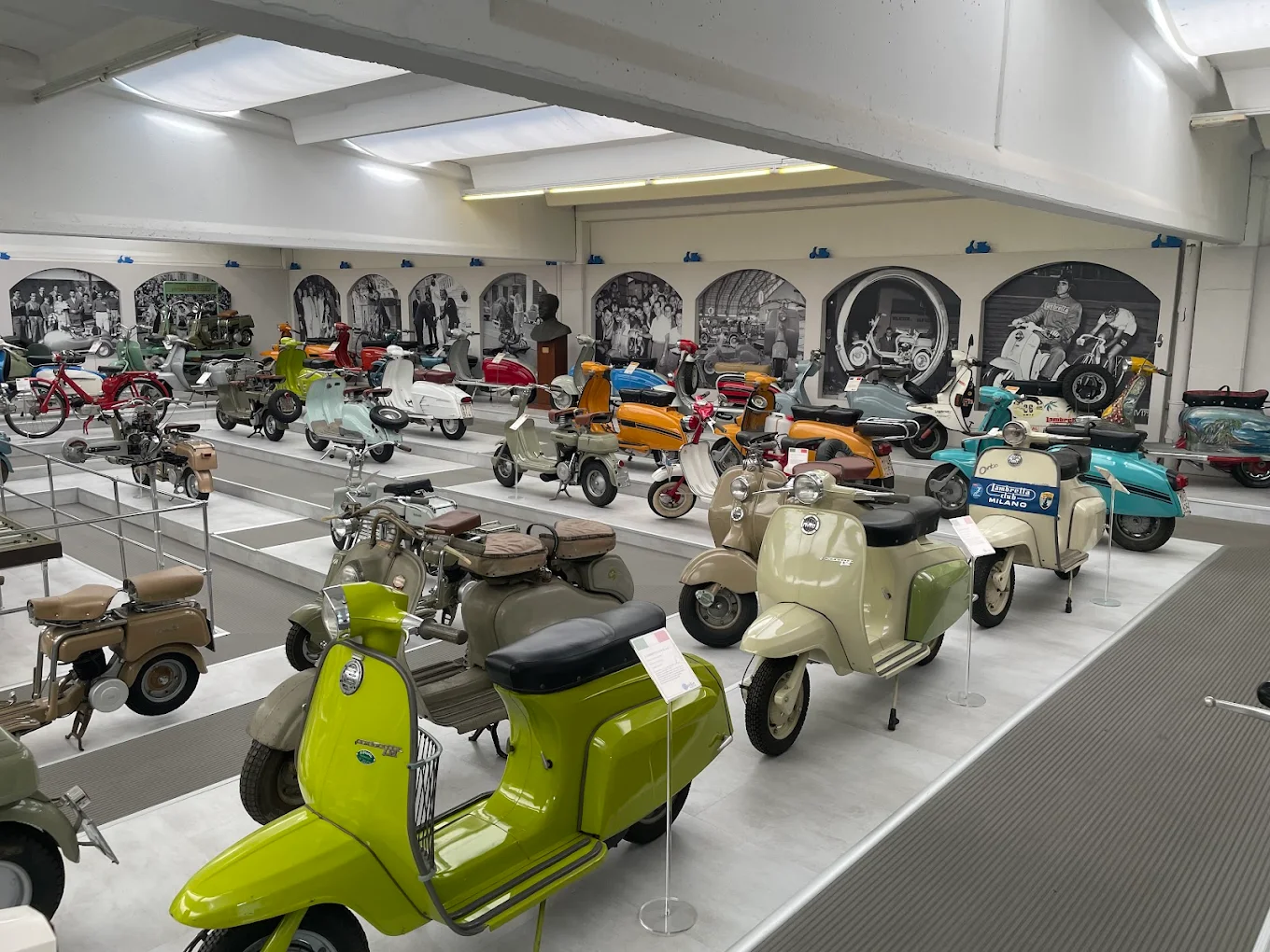
The Museum is located a few meters from the old factory and is managed by a social promotion association led by Werner Ricciolini, a great enthusiast and enthusiast of the brand. Housed in a charming vintage setting, it houses over 100 motorcycles built between 1948 and 2000 in two large rooms, spanning more than half a century of history, told through motorcycles, photographs, artifacts, testimonials, and documentation. Given the attendance, the organizers had to reserve five large free parking spaces. It was a great opportunity, after all.
Many motorcycles come from the Museum Collection of Laverda, located in Lisse, Netherlands, and originated from the Coor Dees collection. Around 2017, this fine collection was put up for sale, complete with 81 motorcycles produced from 1950 to 2000, as well as a myriad of objects and memorabilia related to the historic Italian brand. The first buyer was an American. Then Werner Ricciolini stepped in and, fortunately, brought the important collection home, adding other important pieces.
The exhibition begins in the 1950s with the 75 Sport and 100 Sport models that shone in the Milan-Taranto and Giro d'Italia races. The 1960s are represented by scooters and off-road vehicles, and the 1970s feature the road versions of the GT 650-750, and the SF 750 in all models built between 1968 and 1976. Five original SFC 750 models are on display, including official bikes that the manufacturer fielded in important international competitions. The legendary 1000 V6, built in 1977, also known as the Formula 1 on two wheels, is an example of engineering and construction technique innovation. Also on display are the entire 1000 3-cylinder range (1972-1978), the 1000 RGS, the famous Jota 1000 in its two versions, the RGA, and the 1200 in its various versions. The exhibition concludes with production from the 1990s. One area is dedicated to the factory's work tools: a space that represents the history of a region. It's no coincidence that during the inauguration, Breganze Mayor Piera Campana emphasized the social value of this initiative, not only to attract enthusiasts and thus promote tourism, but also to commemorate the industriousness of a region, Veneto, which in the 20th century worked hard but showed off little.
The walls of the two pavilions that make up the museum are beautifully displayed with historical images, racing suits of famous champions, gadgets, and memorabilia from the famous Veneto brand.
https://museomotolaverda.com/
Museen für Oldtimer-Motorräder: Neueste Artikel
-rdc.jpg)