
Classifieds site for the sale of historic, vintage, and collectible vehicles
Vintage cars for sale
Historic cars for sale
Collectible cars for sale
Vintage motorcycles for sale
NEED HELP?
help@mithosmarket.com
OPENING HOURS
Monday - Friday: 09:00 - 17:30
Saturday - Sunday: CLOSED



V8 Interceptor - Ford Falcon XB GT Coupé
Film Series Mad Max
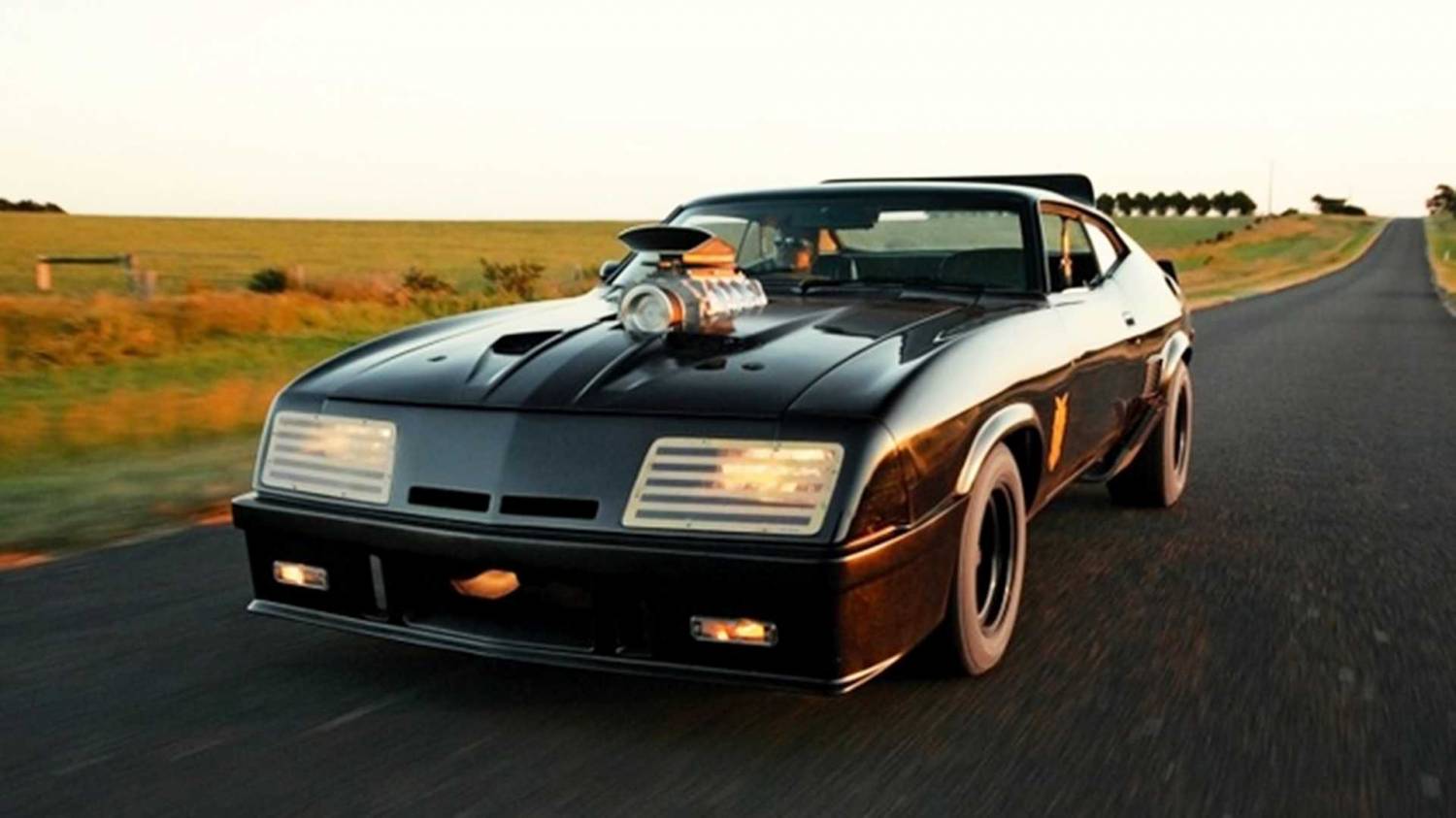
Mad Max is an Australian media franchise created by George Miller and Byron Kennedy. It centres on a series of post-apocalyptic and dystopian action films. The franchise began in 1979 with Mad Max, and was followed by three sequels: Mad Max 2 (1981; released in the United States as The Road Warrior), Mad Max Beyond Thunderdome (1985) and Mad Max: Fury Road (2015); Miller directed or co-directed all four films. A spin-off, Furiosa: A Mad Max Saga, was released in 2024 and was also directed by Miller. Mel Gibson originally portrayed the series's title character, Max Rockatansky, in the first three films, while Tom Hardy and Jacob Tomuri portrayed the character in the later two films.
The series follows Max, who starts the series as a police officer in a future Australia which is experiencing societal collapse due to war, critical resource shortages, and ecocide. As Australia devolves further into barbarity, Max becomes a wandering drifter in the wasteland. He periodically encounters remaining pockets of civilisation, which rope him into their political machinations or personal problems. Max, who is habitually wary of others, frequently struggles to decide whether to help others or go his own way. Ultimately, he assists the survivors in the nick of time before departing into the wasteland once more.
The series has been well received by critics; The Road Warrior and Fury Road in particular have been ranked among the best action films ever made. The series has also had a significant impact on popular culture, most notably apocalyptic and post-apocalyptic fiction, and encompasses works in additional media including video games and comic books. In 2016, Fury Road became the first film of the Mad Max franchise to receive Academy Award recognition, winning six of its ten nominations. It is an example of the dieselpunk genre.
Premise and continuity
The exact causes of the collapse of civilization in the series are never specified, but some details are given. In the timeline of the original three films, the 1979 oil crisis caused by the Iranian Revolution worsened, leading to worldwide energy shortages and unrest. Tensions boiled over when Iranian forces attacked Saudi Arabia, igniting a massive war in the Middle East and around the world. In the timeline of the later two films, the collapse happened around the 2010s, and was caused by a combination of resource wars and subsequent environmental damage.
The first Mad Max film takes place in the original timeline and is a mostly traditional origin story. In a dystopian Australia where the government no longer has the capacity to effectively protect its citizens, Max Rockatansky is a skilled policeman trying to keep order on the highways. When Max takes his family to the beach for a holiday, a vicious biker gang murders his wife and child. Max kills the gang in revenge. Disillusioned by the collapse of ordered society, Max quits his job and becomes a wanderer in the increasingly devastated wasteland.
The remaining Mad Max films follow Max's comings and goings in the wasteland. By Mad Max 2, global war has destroyed the remaining world governments. The old society has essentially collapsed, and gangs and warlords dominate the wasteland. Isolated pockets of civilisation remain, desperately preserving remnants of pre-apocalyptic technology, especially oil refineries (Mad Max 2, Furiosa, Fury Road). By the time of Beyond Thunderdome, Furiosa, and Fury Road, society has devolved into a barter economy, with chattel and sex slavery being widespread. Furiosa and Fury Road also suggest that Christianity and other pre-apocalypse World religions have been replaced by new religions native to the wasteland.
During his wanderings, Max periodically encounters remaining pockets of civilisation, which rope him into their political machinations or personal problems. Typically, Max goes along for self-interested reasons, but eventually his motives become more altruistic. Mad Max films typically highlight their protagonists' struggle to reclaim their humanity in a dystopian wasteland that has taught them to place little value on kindness and decency.
Most Mad Max films are told from the perspective of a questionably reliable narrator retelling the story many years after the fact, suggesting that the characters of Max and Furiosa have crossed over into the folklore of a survivor civilisation. (Although Fury Road lacks a narrator, Miller has said that in his mind, it was also "based on the Word Burgers of the History Men [cf. folktales told by bards or griots] and eyewitness accounts of those who survived.") Miller "sees Mad Max as a series of legends about the titular character, the kinds of campfire stories that might be passed around in the Wasteland at dark." Because Mad Max films are generally told as folklore, the Mad Max franchise has historically been less concerned with continuity than most science fiction or fantasy franchises, like Star Wars or Star Trek. There is "no strict chronology," and the films are allowed to contradict each other. At least one critic has suggested that "the franchise’s canon cannot be reconciled in any way — barring the introduction of time travel."
Mad Max (1979)
Mad Max is a 1979 Australian action film directed by George Miller and written by Miller and James McCausland from a story by Miller and producer Byron Kennedy. Set "a few years from now", it tells the story of highway policeman Max Rockatansky, who is repeatedly attacked by a criminal biker gang amidst a broader social breakdown, and who is caught between his opposing desires to stay home with his family and to take revenge on the bikers.
The film, starring the then little-known Mel Gibson, was released internationally in 1980. It became a top-grossing Australian film, and has been credited for further opening the global market to Australian New Wave films. For twenty years, it held the record in the Guinness Book of Records for the most profitable film ever made. The Blair Witch Project claimed the record in 1999.